CafePellicola

window to fine italian cinema

A vibrant community celebrating the prominent achievements of Italian cinema — from Neorealism to the present.

Great Success at the Opening of Ossining’s Italian Film Festival

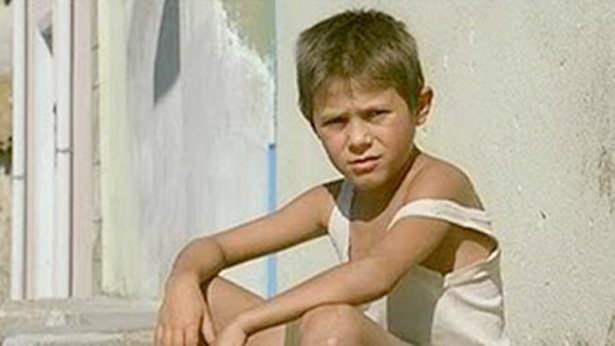
The opening of the film festival last week was extremely successful. We started with the screening of The Job – Il Posto (Ermanno Olmi – 1961). The film drew a wonderful audience that stayed for the post-screening discussion that went around 45 minutes of active questions that showed me how engaged the audience was with the film's message.
Festivals
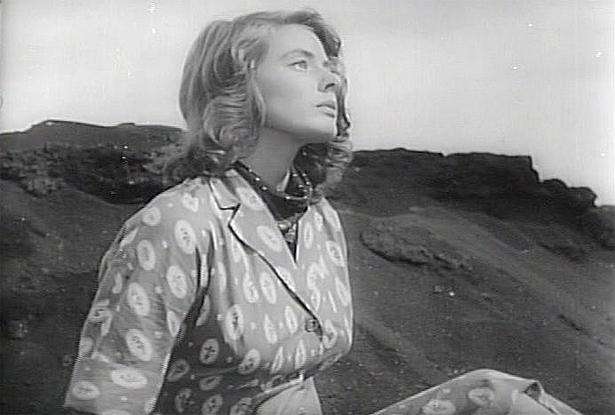
Still from Stromboli – Stromboli, Terra di Dio (Roberto Rossellini – 1950)

Stromboli – Stromboli, Terra di Dio (Roberto Rossellini – 1950)

Known as the father of the Neorealist film movement with his emblematic masterpiece Rome Open City – Roma Citta’ Aperta (1945), Roberto Rossellini in 1950 decides to change direction. Seeing the role of cinema as mirroring a constantly evolving reality, he believes Italy has changed and there is no reason for producing more films about rough realities placed in bombarded cities. Italy in the early 1950’s is going through reconstruction that dramatically affects the fabric of society.

Drama
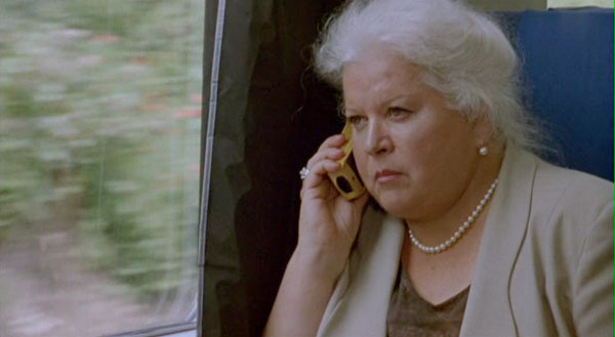
Still from Tickets (Ermanno Olmi, Abbas Kiarostami, Ken Loach – 2005)

Tickets (Ermanno Olmi, Abbas Kiarostami, Ken Loach – 2005)

You better leave now if you want to catch this train.

Drama
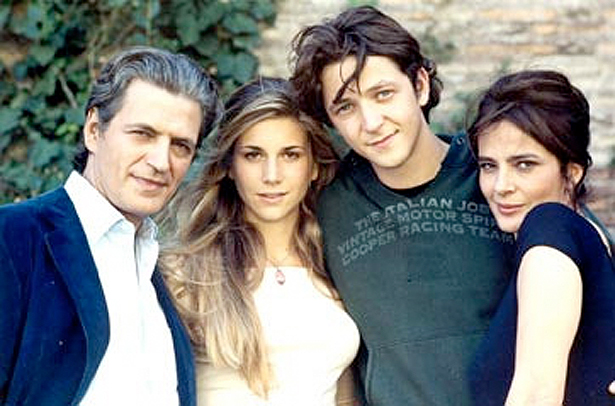
Still from Remember Me, My Love – Ricordati di me (Gabriele Muccino – 2003)
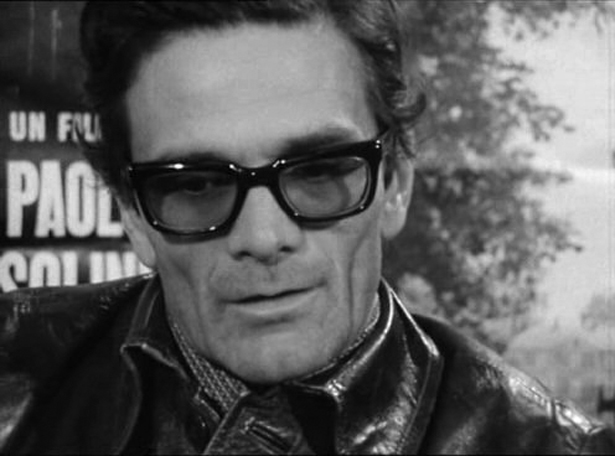
Still from Whoever Says the Truth Shall Die (Philo Bregstein – 1981)

Whoever Says the Truth Shall Die (Philo Bregstein – 1981)

A lot has been written about Italy’s prominent, yet controversial film director, poet and journalist Pier Paolo Pasolini. This documentary film by Philo Bregstein offers a rare glimpse into the tumultuous life of Pasolini until his still unresolved murder circumstances in 1975.

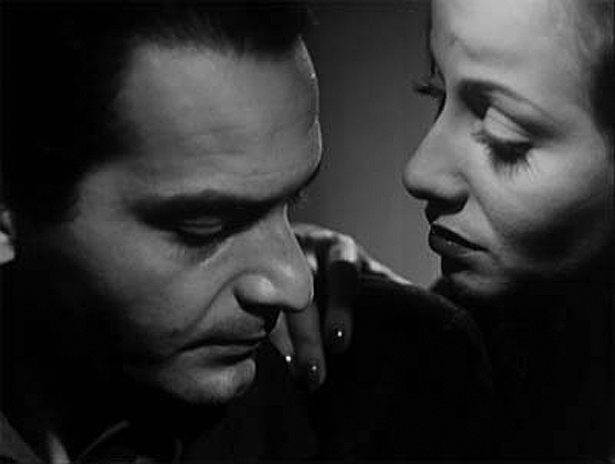
Still from Rome, Free City – Roma città libera (Marcello Pagliero – 1946)
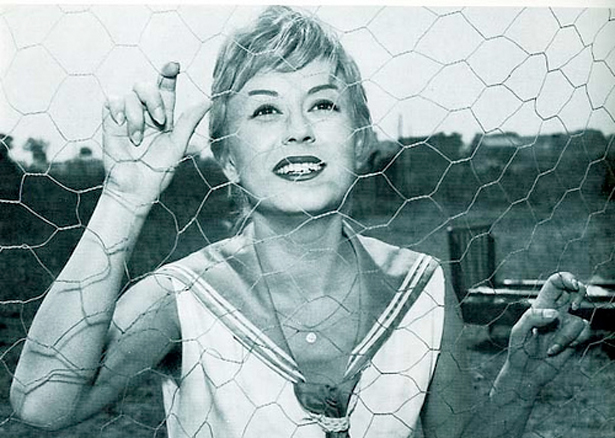
Still from Nights of Cabiria – Le notti di Cabiria (Federico Fellini – 1957)

Nights of Cabiria – Le notti di Cabiria (Federico Fellini – 1957)

This is the last film of Fellini’s second triliogy that started with La Strada (1954) and Il Bidone (1955). A trilogy dedicated to themes of people living on the margins of society (street dancer, swindler and a prostitute) that despite their rough lives eventually experience radical life change, call it redemption.

Drama
Still from Ballo a tre passi – The Three Steps Dance (Salvatore Mereu – 2003)

Ballo a tre passi – The Three Steps Dance (Salvatore Mereu – 2003)

I have been waiting for this and the following movie for months. I am thrilled. This is my own root region (partially) and I have the privilege to be in and out of the scene.

ShortFestivals