
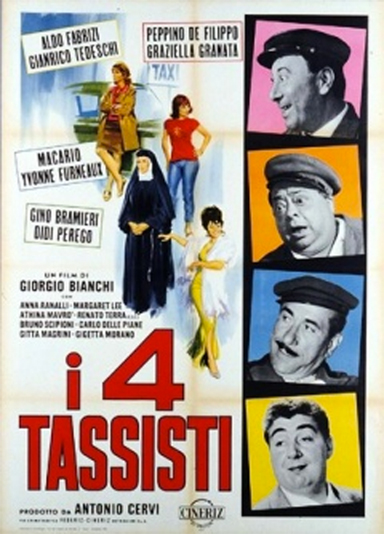
I Quattro Tassisti – The Four Taxi Drivers (Giorgio Bianchi – 1963)
With 2015 coming upon us, I figured there is nothing like rewinding the clock back to this 1963 quaint cinematic gem to usher in the New Year.
A vibrant community celebrating the prominent achievements of Italian cinema — from Neorealism to the present.
17 posts in Comedy
With 2015 coming upon us, I figured there is nothing like rewinding the clock back to this 1963 quaint cinematic gem to usher in the New Year.
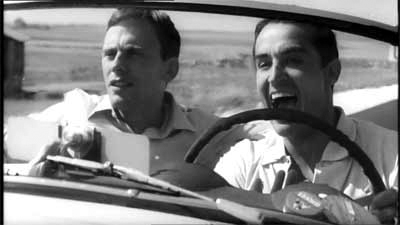
Labeled as the first Italian road trip movie and hallmark of the Italian comedy (Commedia all’italiana) genre, director Dino Risi provides an alarming prophecy for the future of Italy during the prosperous early 60’s of what is typically referred to as the Italian Economic Miracle (Boom Economico). This is Italy after WWII that experienced a rush of economic growth that is characterized by increased consumerism and self-indulgence – a far cry from the agricultural society from which it sprung. An excellent study of opposite facial expressions.
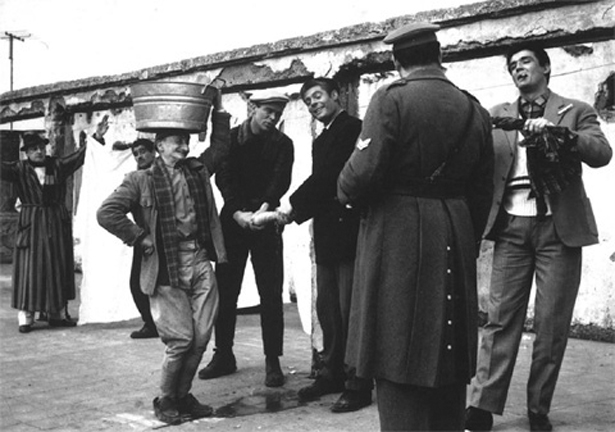
On one hand you can look at this film and say it’s all about men camaraderie in effort to solve an economical problem, and indeed the relationships among the protagonists run the gamut from support, anger, humor, and compassion.
Friday October 11, 2007
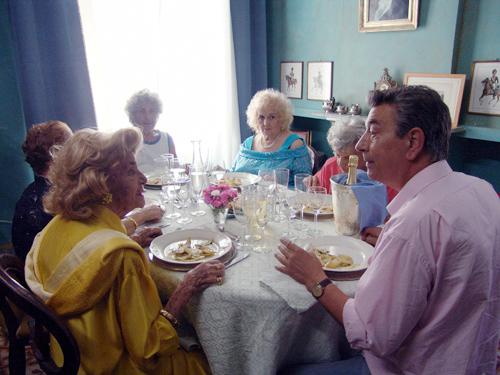
First time’s a charm may be an old cliché, but there is something fresh and original to creating something for the first time that is clean from preconceptions and risk of repetitions. Not always. Yet, this charmingly sensitive film, which marks the debut of Gianni Di Gregorio as a director, represents one of the pleasant surprises. In fact, Di Gregorio won the 2009 David di Donatello Award for Best New Director (Migliore Regista Esordiente). And this is important as prior to this film, Di Gregorio typically served as an actor and writer collaborating with Director Matteo Garrone on notable films such as 2004 First Love and 2008 Gomorrah.
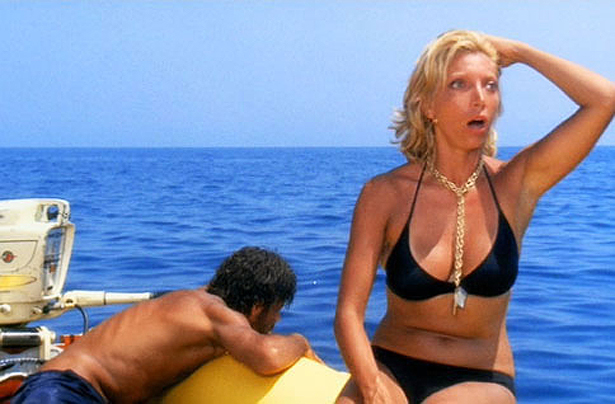
Summertime and the living is easy…so why not enjoy a summer masterpiece from Lina Wertmüller who started her career as an assistant director in Fellini’s 1962 film 81/2? The film, is by no means your typical summer movie, weaves together issues of sex, politics, male-female, poor-rich, relationships into comedy turned drama.
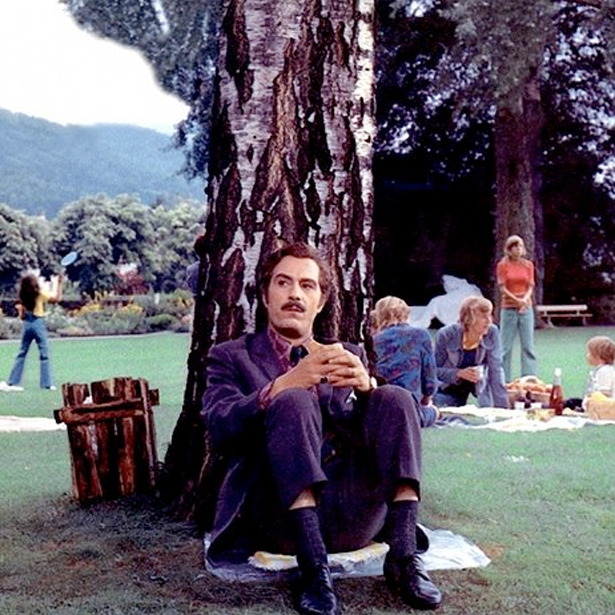
In this film, director Franco Brusati brings to life a common theme in 70’s cinema, packaged in commedia all'italiana film genre; the struggle to find your own identity in a foreign land. It’s a universal theme we can find in today’s challenges of immigrants.
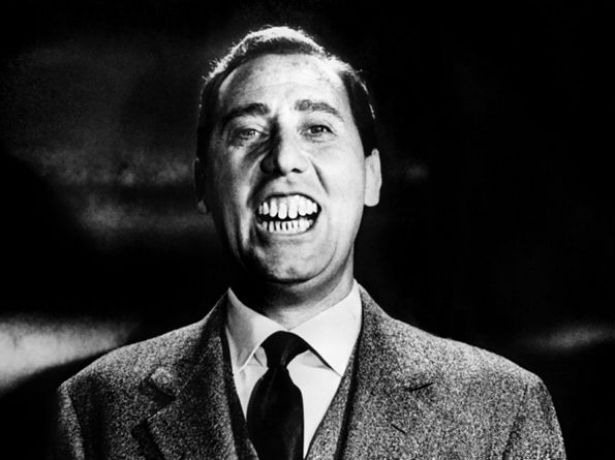
These days YouTube is overflowing with rare cinematic gems like this short film by Luigi Filippo D'Amico Guglielmo il dentone, which is part of a triptych film named I Complessi with the other two shorts directed by Dino Risi and Franco Rossi. I searched for the other two on YouTube, with no luck.
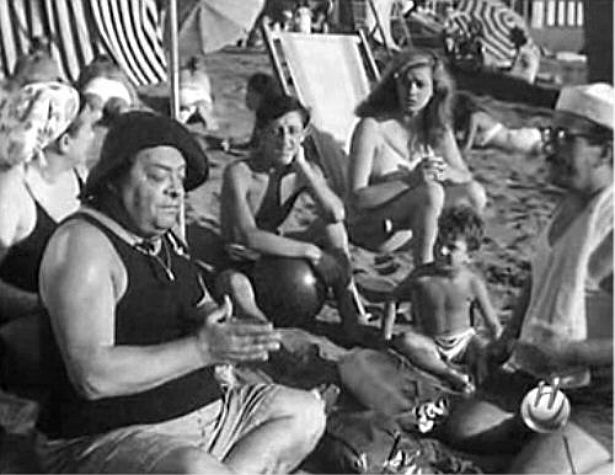
It's funny sometimes when you watch a film that you like and then come across another one done couple of years later with same theme and even same actors. For those of you who follow my occasional cinematic thoughts, you'll find this film very similar to Domenica d’agosto – Sunday in August (Luciano Emmer -1949), both represent typical movies of Commedia all'italiana genre of early 50's-60's.

Looking for a classic heart-warming comedy?
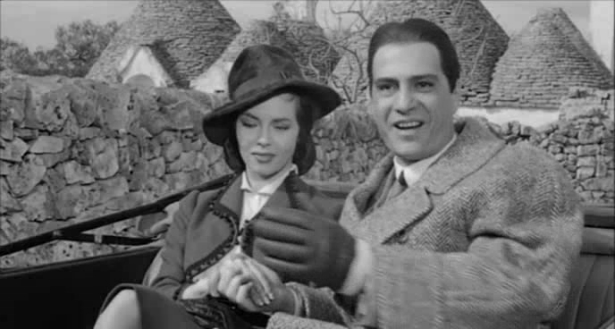
I saw this charming Italian comedy the other night on YouTube projected on my big screen and tried to imagine some of the thoughts that ran through audiences' minds who saw it for the first time in Italian movie theaters in the early 60's.
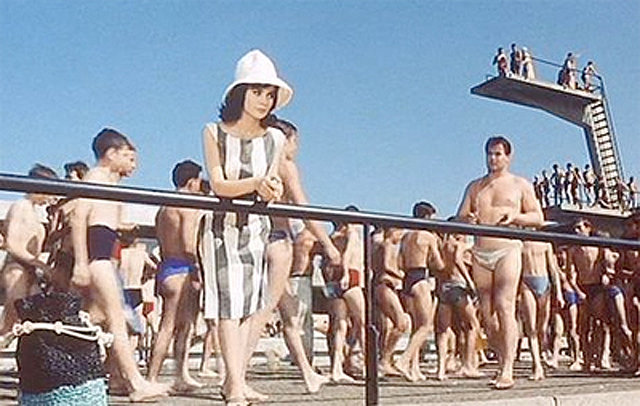
With the global success of Fellini’s 1960 La Dolce Vita, Cinecitta’ the glorious studio in Rome continued the theme of love in modern times, featuring four leading directors: Mario Monicelli, Federico Fellini, Luchino Visconti and Vittorio de Sica. The last three were considered veterans back then, whereas Monicelli an up and coming director that his 1958 film I soliti ignoti – Big Deal in Madonna Street - is considered the first of the commedia all’italiana genre. Luciana waiting for Renzo in the packed swimming pool with the lurking boss approaching.
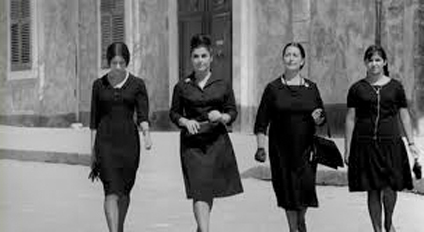
When you think about what makes a film a masterpiece, beyond the usual suspects like clever script, believable acting or memorable soundtrack – what I believe worked extremely well for post-war Italian cinema is the historical context. For the neorealism genre it supplied ample stories of hardships told by non-professional actors in actual locations with uncompromised honesty.
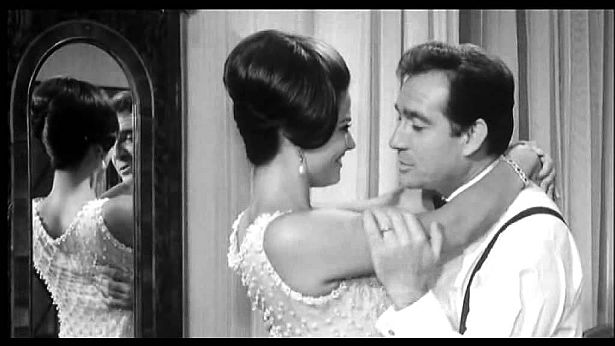
In this classic Italian comedy director Antonio Pietrangeli juxtaposes extra indulgence with absurdity as key ingredients that drive rich couple from northern city Brescia to completely lose it. Claudia Cardinale and Ugo Tognazzi.
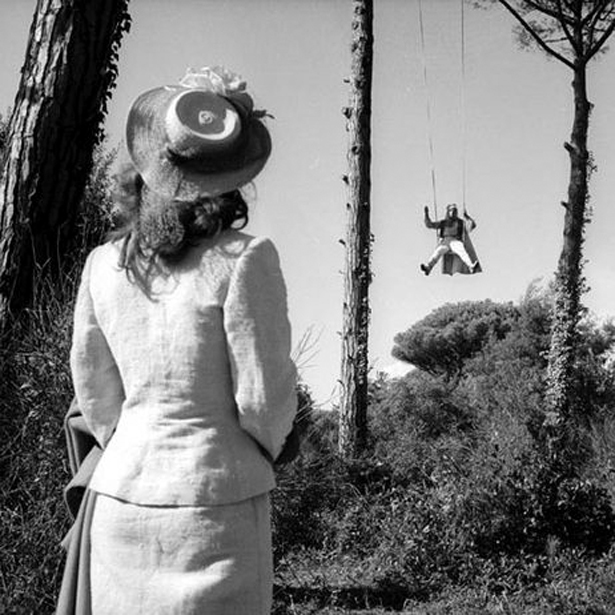
Are you a Yankee fan? A Madonna die-hard? Or better yet a Justin Bieber's zealot?
In tempi come questi, la fuga è l'unico mezzo che rimane.
It's that great excitement you get when you come across a truly rewarding film by a director you have never seen much of his work when everything seems to work exactly how you'd want it to be. And Mafioso by Neorealist director, Alberto Lattuada is simply that perfectly fun film. It's the same sad story, these cinematic gems have limited distribution anywhere and are hard to come by. Unless the film is within the programming roadmap of the great people at The Criterion Collection, which is the case here.