Published by Shlomi Ron on 03 Jul 2008

The Outcry - Il Grido (Michelangelo Antonioni - 1957)

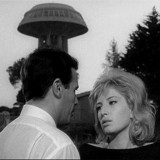
Rejection, alienation, and total abandonment staged in a bleak winter in the Poe valley with constant use of gray landscapes, barren trees, foggish rain and lots of mud all the actors negotiate their way in - provide an apt juxtaposition between the emotional and the physical realities in this masterpiece by Antonioni.

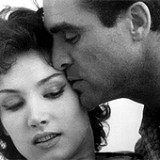
The film tells the story of Aldo (Steve Cochran) a factory worker that after seven years of living with Irma (Alida Valli), having a daughter together, Rosina (Mirna Girardi) - is told the unexpected. With the news of Irma’s husband death in Australia, Aldo logically hopes he now can marry Irma, but she instead shutters his world by revealing that she’s leaving him for another.

After his honor is completely tarnished in a strong scene at the small village piazza - the most sensitive public domain - Aldo decides to leave with Rosina in search for a new life elsewhere. His road trip with his daughter follows the same patterns found in De Sica’s Ladri di biciclette - The Bicycle Thief (1948): constant paternal indifference cracked by fleeting bursts of caring when the well-being of the child is threatened. In the former, the father mind is clouded by the loss of the only instrument needed for making a living, where in the latter - for the loss of the only person he loves.

One of the most rewarding elements of this masterpiece is the soundtrack by Giovanni Fusco. His minimal piano treatments sensibly amplifies the strong premise of Gioavanni’s struggle for the unattainable.

I especially liked the scene when the carriage driver who takes Giovanni and Rosina away from the village - stops the horse to look back at the distancing lights of the village. His observation that the seemingly happy lights may mislead as not all their tenants are as happy - is colored by this introspective piano tune that provides further depth to the words and context.

>Rent this film from Netflix - Only $4.99 a month!

>Buy this film

Published by Shlomi Ron on 31 Aug 2007

Story of a Love Affair - Cronaca di un amore (Michelangelo Antonioni - 1950)

Rainy dark streets, unfulfilled love, alienated ambience, restless camera movement and mimialistic soundtrack come together here in Michelangelo Antonioni’s first full-length feature film.

With the recent passing of this incredible director that has largely shaped the course of Italian cinema - it is fascinating to go back to the early years and observe the origin of his artistic growth.

Like Antonioni’s future films such as The Girlfriends (1955) and L’avventura (1960), the story revolves around the intricacies of Italy’s upper social class. Paola (Lucia Bosé) is being investigated by Enrico (Ferdinando Sarmi), her jealous industrialist husband about her past life in her native town Ferrara. The story brings together Paola and her former lover Guido (Massimo Girotti) that hide their secret as the investigation progresses.

Antonioni provides two story lines; that of the investigator activity piecing together clues about Paola and her past friends, and the relationship between Paola and Guido that reacts to developments in the investigation. The result is a gradual tension build-up that is characterized by the couple constant fear of being followed. Giovanni Fusco’s minimalistic and at times chaotic sax and piano grim melodies effectively paint these two plot lines into their inevitable crossing.

story of a love affair

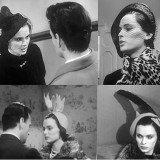
What I found most interesting is the prominent use of fashion to communicate feelings of alienation and masking. Beyond the incredible costume design work done by Ferdinando Sarmi (also plays Enrico in the film - the only film he ever did!), what specifcally caught my eye was the four different hats Paola wears.

Each as you can see, seems to tell its own story. For example, the tilted hat was used in the elevator scene may hint of the past accident of the couple mutual friend who fell in the elevator tunnel. The flame-like hat with its fiery expression was worn when the couple first discusses their plan to murder Paola’s husband.

Another testament to Antonioni’s phenomenal command of various media vehicles to tell a story.

>Rent this film from Netflix - Only $4.99 a month!

>Buy this film