
Archive for August, 2007

Published by Shlomi Ron on 31 Aug 2007

Story of a Love Affair - Cronaca di un amore (Michelangelo Antonioni - 1950)

Rainy dark streets, unfulfilled love, alienated ambience, restless camera movement and mimialistic soundtrack come together here in Michelangelo Antonioni’s first full-length feature film.

With the recent passing of this incredible director that has largely shaped the course of Italian cinema - it is fascinating to go back to the early years and observe the origin of his artistic growth.

Like Antonioni’s future films such as The Girlfriends (1955) and L’avventura (1960), the story revolves around the intricacies of Italy’s upper social class. Paola (Lucia Bosé) is being investigated by Enrico (Ferdinando Sarmi), her jealous industrialist husband about her past life in her native town Ferrara. The story brings together Paola and her former lover Guido (Massimo Girotti) that hide their secret as the investigation progresses.

Antonioni provides two story lines; that of the investigator activity piecing together clues about Paola and her past friends, and the relationship between Paola and Guido that reacts to developments in the investigation. The result is a gradual tension build-up that is characterized by the couple constant fear of being followed. Giovanni Fusco’s minimalistic and at times chaotic sax and piano grim melodies effectively paint these two plot lines into their inevitable crossing.

story of a love affair

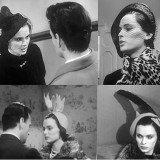
What I found most interesting is the prominent use of fashion to communicate feelings of alienation and masking. Beyond the incredible costume design work done by Ferdinando Sarmi (also plays Enrico in the film - the only film he ever did!), what specifcally caught my eye was the four different hats Paola wears.

Each as you can see, seems to tell its own story. For example, the tilted hat was used in the elevator scene may hint of the past accident of the couple mutual friend who fell in the elevator tunnel. The flame-like hat with its fiery expression was worn when the couple first discusses their plan to murder Paola’s husband.

Another testament to Antonioni’s phenomenal command of various media vehicles to tell a story.

>Buy this film

Published by Shlomi Ron on 09 Aug 2007

Salvatore Giuliano (Francesco Rosi – 1962)
Salvatore Giuliano

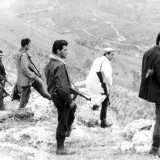
In this masterpiece classic director Francesco Rosi tells the story of Salvatore Giuliano, a famous Sicilian gangster that during the mid-40’s collaborated with a Sicilian separatist group, Movement for the Independence of Sicily (MIS), with close ties to the Mafia engaging with small-scale attacks on government and police targets.

Rosi delivers a poignant documentary that whisks viewers back and forth in time – the superiority of Giuliano’s gang over the police (carabinieri) and later depicting his funeral and court sessions. Interestingly enough, Rosi does not provide us with direct first person dialogs from Giuliano, we learn a lot about him through his friends and the results of his actions.

The real villagers of Montelepre – that helped Giuliano - provide a deeper sense of credibility for the narrative, largely because in essence they renact the true events they experienced first hand. A most memorable scene, is the crying women dash towards the carabinieri after learning that their arrested husbands – suspected of collaborating with Giuliano - are about to be transferred to Palermo. The sheer emotional force of this clash that illusrates the immense power of the immediate family circle and the village strong solidarity - is profound.

Salvatore Giuliano

The film is also about the importance of commuication with its diverse manifestations. We hear Giuliano’s gang whistling on hill tops to alert the arrival of the carabinieri, we hear the village drummer announcing the latest curfew orders, the village women spreading the word about the fate of their husbands, and the court sessions where conflicted interests play out the evidence about the responsibles for the massacre at Portella Della Ginestra.

The soundtrack by Piero Piccioni provides a charged suspense ambience that minimalistically supports the dramatic events that unfold, leaving ample space for the natural sounds and the occasional voice over to carry most of the emotional direction.

Gaspare Pisciotta (Giuliano’s deputy), played skillfully by Frank Wolff (postwar trend of many Italian directors to use American actors), demonstrates the transition of Pisciotta from being Giuliano’s most dedicated right hand into a collaborator with the carabinieri. As the social environment is rapidly evolving with conflicting interests surfacing either by historical events, mafia pressures, bandit alliances, carabinieri, family and community – are constantly pushing protagonists to optimize stances.

>Buy this film